Reconstructive Surgery After Cancer: Comparing Functional Recovery and Cosmetic Restoration Goals
The American Cancer Society notes that reconstructive procedures are often an important part of recovery for many cancer survivors, particularly after treatments that alter physical appearance or affect normal body function. Advances in surgical techniques have expanded the options available to patients, allowing healthcare teams to address both medical and personal concerns during the rehabilitation process.
Cancer treatment can leave lasting changes that extend beyond the disease itself. Surgical removal of tumors may affect facial structures, breast tissue, skin, muscles, or other parts of the body. As recovery progresses, many patients explore reconstructive options to help restore form and function. Information provided by providers such as Plastic Surgery of Syracuse illustrates how reconstructive and aesthetic procedures are often discussed within broader recovery planning. These conversations frequently involve surgeons, oncologists, rehabilitation specialists, and mental health professionals working together to support long-term well-being.
Why Reconstructive Surgery Is Often Part of Cancer Recovery
Cancer surgery focuses first on removing disease and protecting survival. While this remains the primary objective, treatment can create physical changes that affect daily life. Breast cancer surgery, head and neck cancer procedures, skin cancer excisions, and orthopedic cancer operations are examples where reconstruction may be considered after treatment.
The National Cancer Institute explains that reconstructive surgery aims to restore appearance or improve the function of body parts affected by cancer treatment. Depending on the situation, reconstruction may occur immediately after tumor removal or months later after additional therapies have been completed.
Patients often pursue reconstruction for different reasons. Some seek improved mobility, speech, swallowing, or hand function. Others hope to address visible changes that affect confidence and social interactions. Many individuals have goals that include both practical and personal considerations.
Argument: Restoring Appearance Can Support Emotional Recovery
One perspective within cancer recovery emphasizes the psychological importance of restoring appearance. Physical changes can influence self-image, social confidence, and emotional health long after treatment ends.
Research published in journals associated with Oxford Academic and other peer-reviewed medical sources has shown that body image concerns are common among cancer survivors, particularly among patients who undergo breast, facial, or skin cancer surgeries. Changes in appearance can affect relationships, employment experiences, and overall quality of life.
For many patients, reconstructive procedures help reduce the constant visual reminders of illness. A breast reconstruction following mastectomy, facial reconstruction after skin cancer removal, or scar revision procedure may contribute to improved self-confidence and comfort in social settings.
Supporters of this viewpoint argue that emotional recovery deserves serious consideration because mental health is closely connected to overall wellness. A patient who feels comfortable with their appearance may experience reduced anxiety, improved social engagement, and greater satisfaction during survivorship.
Experts within psycho-oncology also note that emotional well-being can influence recovery behaviors. Patients who feel more positive about their bodies may be more likely to participate in rehabilitation programs, maintain follow-up appointments, and engage in healthy lifestyle practices.
Counterargument: Functional Outcomes Should Remain the Primary Focus
Others argue that functional recovery should remain the central goal of reconstructive surgery after cancer. This perspective prioritizes the restoration of essential physical abilities that directly affect health and independence.
The American Society of Plastic Surgeons highlights numerous reconstructive procedures designed to improve practical outcomes, including restoring movement, rebuilding structures necessary for eating and speaking, repairing defects following tumor removal, and improving wound healing.
Patients recovering from head and neck cancers often face challenges involving speech and swallowing. Individuals treated for sarcomas may require reconstruction to preserve limb function. Breast reconstruction may also involve restoring chest wall integrity in addition to appearance.
Advocates of this position emphasize that cosmetic improvements should not overshadow medical priorities. They argue that successful cancer recovery depends first on physical health, mobility, pain management, and the ability to perform daily activities.
Functional reconstruction may also provide measurable health benefits. Improved mobility can reduce complications associated with inactivity. Better wound coverage can lower infection risks. Restored oral function may improve nutrition and overall health outcomes.
Comparing Reconstructive and Cosmetic Surgical Objectives
Although reconstructive and cosmetic procedures may use similar surgical techniques, their objectives often differ significantly.
Primary Purpose
- Reconstructive surgery: Corrects defects caused by disease, injury, or medical treatment.
- Cosmetic surgery: Enhances appearance when no medical defect is present.
Medical Necessity
- Reconstructive procedures: Frequently considered medically necessary because they address physical impairments or treatment-related changes.
- Cosmetic procedures: Usually elective and focused primarily on aesthetic goals.
Patient Outcomes
- Reconstructive goals: Improve function, appearance, or both after cancer treatment.
- Cosmetic goals: Refine features based on personal preferences.
The distinction is not always absolute. Many cancer-related procedures involve overlapping objectives. A facial reconstruction may improve speech while also restoring symmetry. Breast reconstruction may help clothing fit comfortably while contributing to emotional recovery.
Modern surgical planning increasingly recognizes that patients rarely separate functional and aesthetic concerns into distinct categories. Quality of life often depends on both.
How Clinics Such as Plastic Surgery of Syracuse Fit Within Multidisciplinary Cancer Recovery Discussions
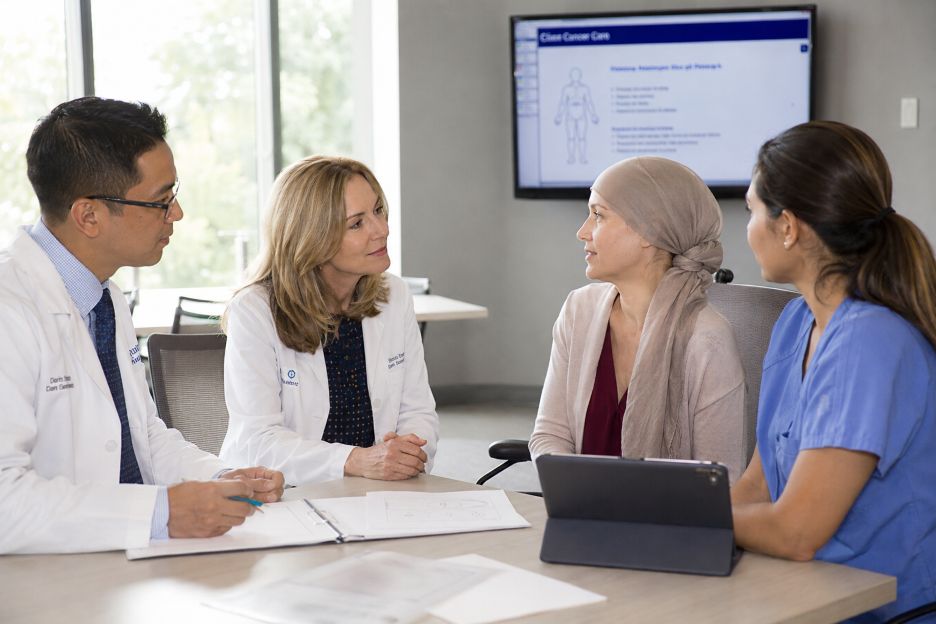
Cancer recovery has become increasingly multidisciplinary. Treatment plans often involve medical oncologists, surgical oncologists, radiation specialists, rehabilitation therapists, psychologists, nutrition experts, and reconstructive surgeons.
Within this framework, plastic and reconstructive surgery providers contribute specialized expertise regarding tissue repair, reconstruction options, scar management, and aesthetic considerations. Their role is generally integrated into broader discussions about long-term recovery rather than viewed as a separate process.
The National Comprehensive Cancer Network (NCCN) emphasizes the value of survivorship care planning that addresses physical, emotional, and social challenges experienced after treatment. Reconstructive specialists may help patients understand realistic expectations, timing considerations, and potential outcomes while coordinating with other healthcare professionals.
This collaborative model recognizes that recovery extends beyond eliminating cancer. Patients frequently face complex questions about physical function, appearance, emotional health, and personal goals. Reconstructive consultation can provide valuable information that supports informed decision-making within the larger care team.
READ ALSO: Choosing the Best Clinics for Hair Regrowth After Cancer Treatment
Finding Balance Between Medical Necessity and Personal Wellness Goals
The debate between functional recovery and cosmetic restoration does not necessarily require choosing one over the other. Many survivors benefit from approaches that acknowledge both perspectives.
Evidence from The World Health Organization and survivorship research consistently demonstrates that health encompasses physical, mental, and social well-being. Recovery outcomes are strongest when care plans address multiple dimensions of wellness.
For some patients, restoring the ability to speak, eat, walk, or use a limb may be the highest priority. For others, reducing visible treatment-related changes may significantly improve confidence and emotional adjustment. Many individuals pursue reconstruction that addresses both concerns simultaneously.
Ultimately, reconstructive surgery after cancer represents more than a choice between function and appearance. It reflects a broader effort to help survivors regain comfort, independence, and quality of life after treatment. By evaluating both medical needs and personal goals, patients and healthcare teams can develop recovery plans that support long-term physical health while respecting the emotional realities of survivorship.